
Truth & Reconciliation Day: Where Does a Photobooth Fit?
September 30th is marked on the Canadian calendar as the National Day for Truth and Reconciliation. It's a day with real weight behind it. And if you've ever wondered what a photobooth has to do with any of that, it's actually a more meaningful connection than you might expect.
The short answer: memory is political. Who gets remembered, how they're seen, and what gets preserved matters deeply. That's where photography, done right, steps into something bigger than a party favour.
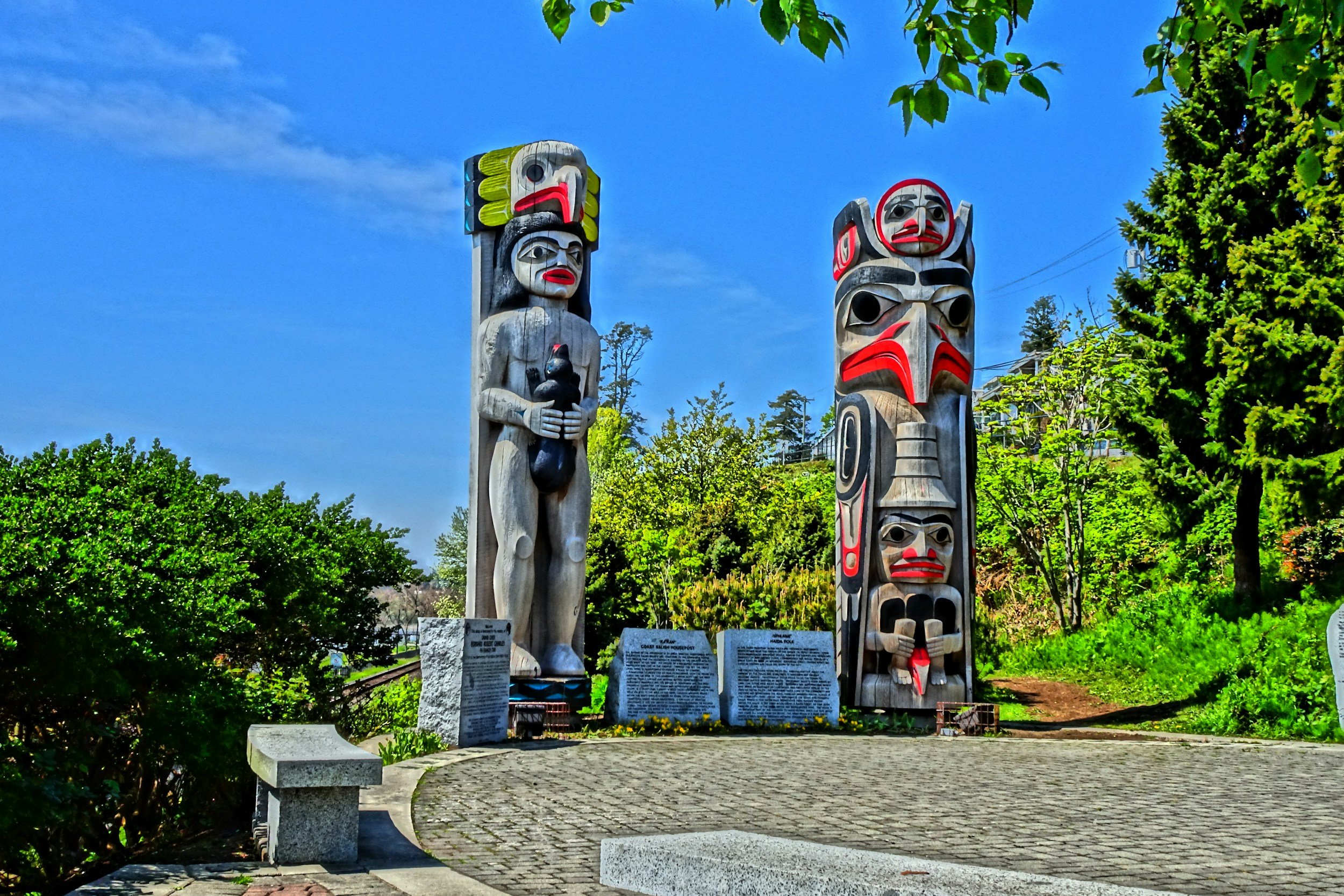
The National Day for Truth and Reconciliation is an annual Canadian federal statutory holiday observed on September 30 to honor residential school survivors, their families, and communities, and to remember the children who never returned home.
What Is the National Day for Truth and Reconciliation?
September 30th was officially recognized as a federal statutory holiday in Canada in 2021, following the calls to action from the Truth and Reconciliation Commission. It honours the children who were sent to residential schools, the families who lost them, and the survivors who carry those stories today. Orange Shirt Day, observed on the same date, grew from Phyllis Webstad's story of having her orange shirt taken away on her first day at a residential school. Together, these observances ask Canadians to stop, reflect, and listen rather than simply move on.
Commemorative events happen in communities across the country on this day. Gatherings, ceremonies, walks, and cultural events organized by Indigenous communities and their allies. These aren't celebrations in the conventional sense. They're acts of witness. And they deserve to be documented with intention.
When a Photobooth Becomes a Storytelling Tool
A photobooth at a solemn or commemorative event might sound tone-deaf at first. But that reaction assumes a photobooth is only capable of being silly. It isn't. A photobooth is, at its core, a portrait-making tool. And portraits have always been one of the most powerful forms of human documentation we have.
At community events honouring Truth and Reconciliation, a thoughtfully set-up photobooth can invite attendees to be seen. To stand in their identity, their regalia, their family, their story, and have that moment captured with dignity. The props, the backdrop, the framing choices all signal what kind of space this is. Vivid Curiosity Photobooths works with event organizers to understand the context of an event before anything gets set up, because how a photobooth is positioned matters just as much as the machine itself. Consent, cultural sensitivity, and the tone of the overall event all factor in.
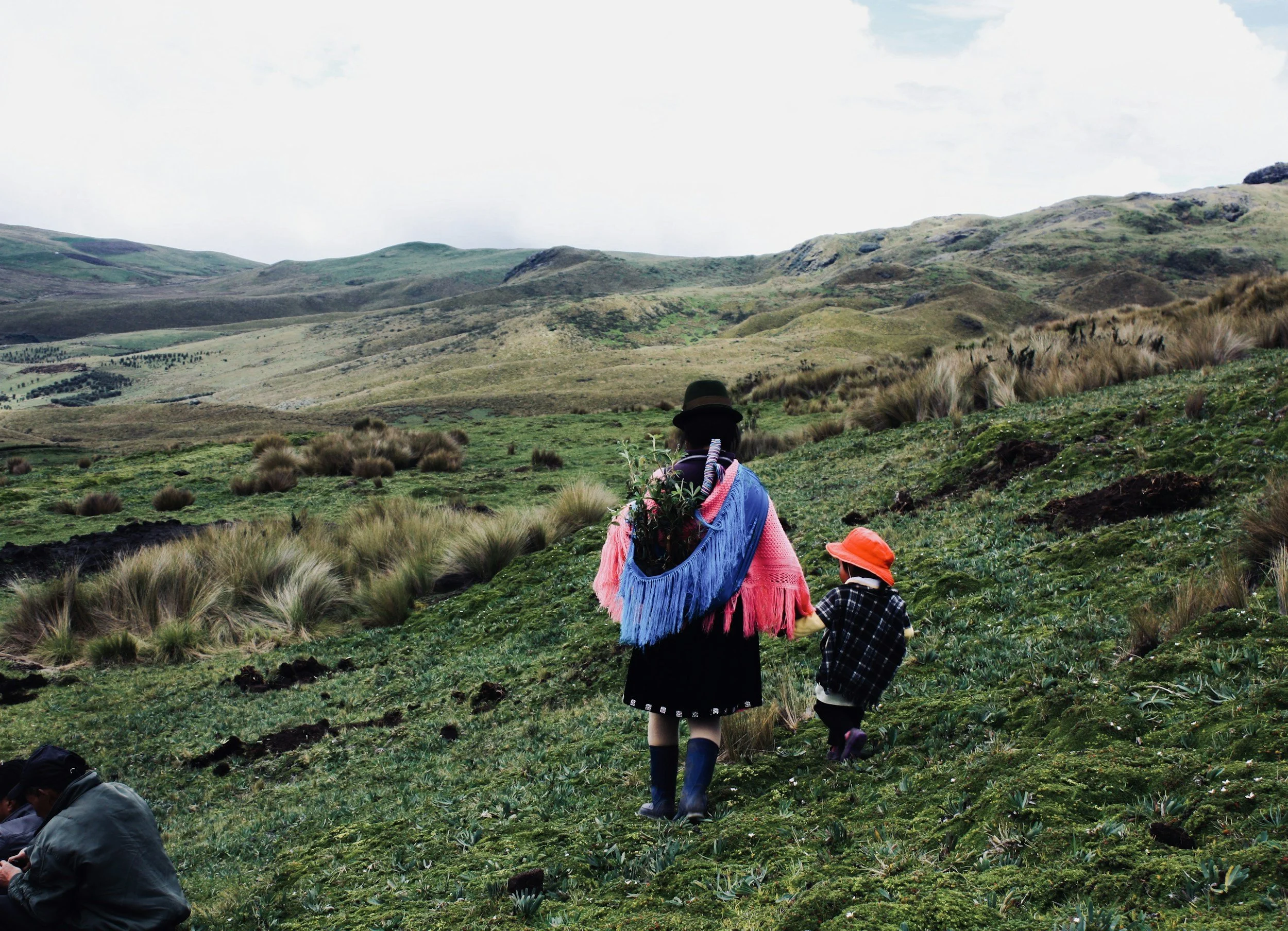
The day acknowledges the tragic history and enduring intergenerational trauma caused by Canada's Indian residential school system, which forcibly separated roughly 150,000 First Nations, Inuit, and Métis children from their families.
Prints, Portraits, and Preserving Community Voices
One of the most underrated things a photobooth does is produce a physical print on the spot. In an age where photos live and die on a phone screen, a printed photo is an artifact. It goes home with someone. It ends up on a fridge, in a frame, tucked into a memory box. For families at a commemorative event, that print becomes part of a living record of the day they showed up, of the people who were there, of the community that gathered.
Vivid Curiosity Photobooths also offers options like branded photo strips and custom templates, which means an event organizer can incorporate meaningful imagery, orange ribbon motifs, land acknowledgement text, or the name of the community hosting the event, right into every print that leaves the booth. That's not decoration. That's documentation. When Vivid Curiosity Photobooths partners with an event that has this kind of purpose, the goal is always the same: make sure every person who steps in front of that lens walks away with something worth keeping. Because the communities who gather on September 30th deserve to see themselves reflected back with care.
Understanding what this day represents, recognizing photography as a form of storytelling, and choosing equipment and partners who take the context seriously are three things that can transform a community event from a gathering into a living record. Whether it's a large civic ceremony or a neighbourhood walk, Vivid Curiosity Photobooths can be set up in a way that serves the moment rather than distracting from it. The photobooth becomes part of how that day gets remembered, and that's a responsibility worth taking seriously.
📲 If you're organizing a commemorative or community event this September 30th and want to talk through how a photobooth can serve your vision, reach out today and let's figure out what that looks like together.
